



Wet desert terrain
It is a terrain with climate characteristics that are completely different from typical deserts, although it still belongs to arid areas. This type of desert area has relatively high precipitation, but the evaporation rate is still low, allowing water to be retained in the soil and supporting more abundant vegetation growth. Climate conditions are typically influenced by nearby oceans or lakes, which provide the necessary humidity and precipitation. Typical features include seasonal floods, dense vegetation cover, and diverse wildlife populations. Although the precipitation is higher than typical deserts, it is still a fragile ecosystem that is vulnerable to the impacts of climate change and human activities.

Desert terrain
It is a natural landscape shaped by extreme arid climate, characterized by scarce precipitation, high evaporation rate, sparse vegetation, and poor soil. Distributed worldwide, from tropical to temperate regions, including the Sahara Desert, Arabian Desert, Gobi Desert, and the Great Sandy Desert in Australia. The formation is usually related to geographical location, climatic conditions, and geological history. In tropical regions, deserts are often formed due to the influence of high-pressure zones, while in temperate regions, it may be due to terrain blocking the entry of moisture. The earth's surface is often composed of sand, gravel, or saline alkali land, forming different landforms such as sand dunes, gravel deserts, or salt deserts under the action of wind.

Popular Models


Honey Badger (3D animated model)
194 View

Guinea fowl (3D animated model)
165 View
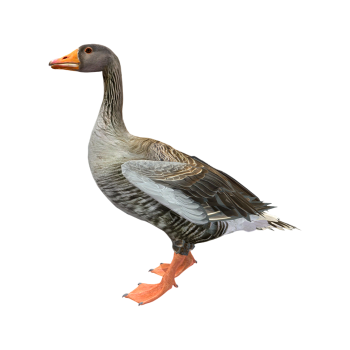
Wild Goose (3D animated model)
187 View

Red Fox (3D animated model)
155 View
Random Model


Moka Pot (Moka Pot, espresso maker)
446 View

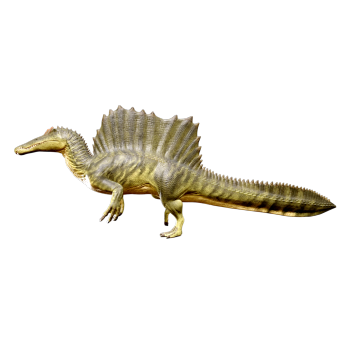
Spinosaurus (3D animated model)
188 View

haystack
445 View
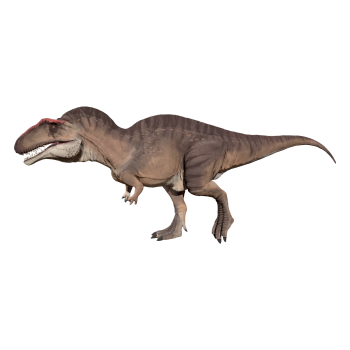
Allosaurus (3D animation model)
151 View

Natural rock (creek stone)
470 View

Children's outdoor combination slide
480 View

a group of assorted packaged foods
406 View
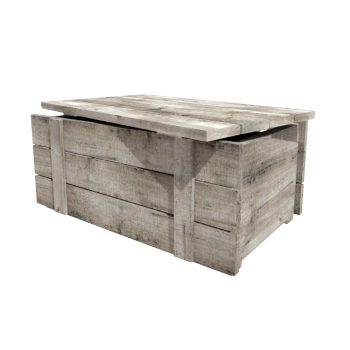
Wooden storage box
438 View